
The transition to a cleaner and more reliable energy future depends not only on innovative solutions, but also on the people and institutions capable of developing, testing and improving them. Strong research capacity, skilled engineers and collaboration across countries are essential to bringing new energy solutions closer to real-world use.
Within the GH SAFE project, the National School of Applied Sciences of El Jadida (ENSA El Jadida) is contributing its research and engineering expertise to this effort. Based in Morocco and affiliated with Chouaib Doukkali University, ENSA El Jadida is a public engineering school dedicated to scientific research, innovation, and technology transfer.
The institution consists of a community of engineers, researchers and students working across several areas of engineering, with seven research teams, 35 permanent members and 78 PhD students, reflecting a strong research environment for advancing energy innovation. Its Laboratory of Engineering Sciences for Energy, known as LABSIPE, has expertise in renewable energy systems, green hydrogen, energy storage and management, as well as the assessment of environmental impacts.
This expertise makes ENSA an important contributor to GH SAFE as the project works to advance its hydrogen-based energy solution and explore how it can perform under different conditions.
One of their key contributions to GH SAFE is their role as a testing site for the project’s technology, which allows the team to gather information on solar energy availability and system performance, providing valuable evidence for the continued development of the solution.
The ENSA team will also contribute to understanding the environmental impact of the energy solution. By looking at the complete process, the project can identify where improvements can be made and build a clearer picture of the solution’s sustainability and potential for future replication.
This combination of research, testing and assessment is important for GH SAFE as it helps move the project beyond developing a promising solution towards understanding how it can perform effectively and efficiently.
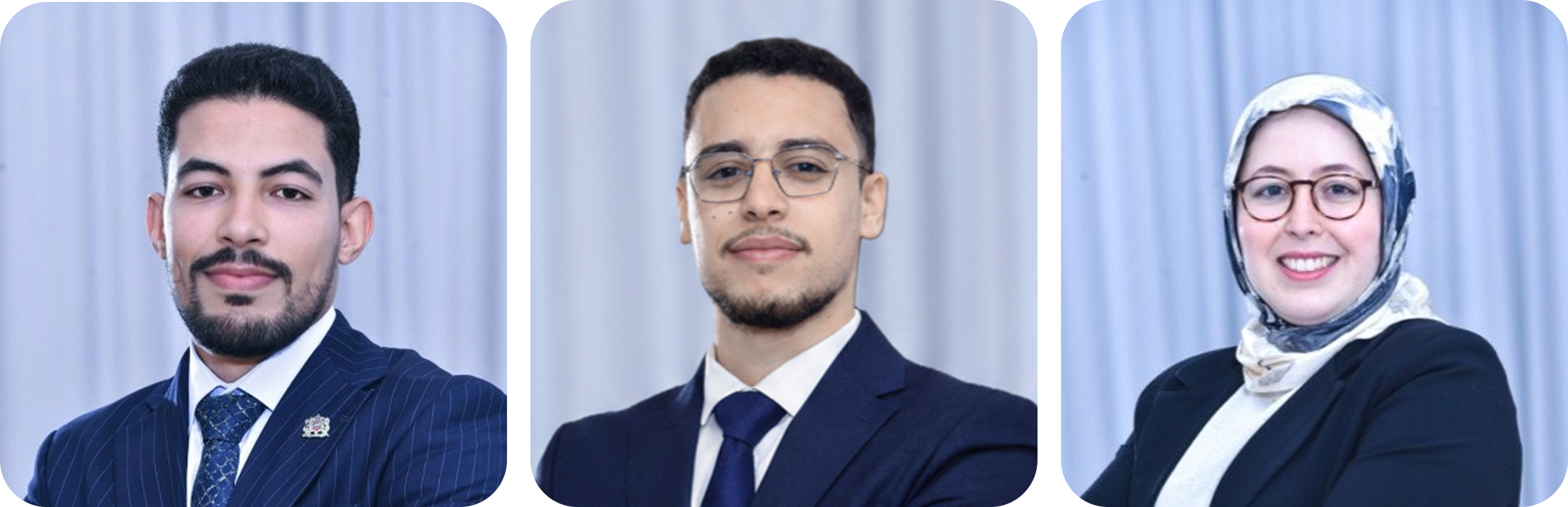
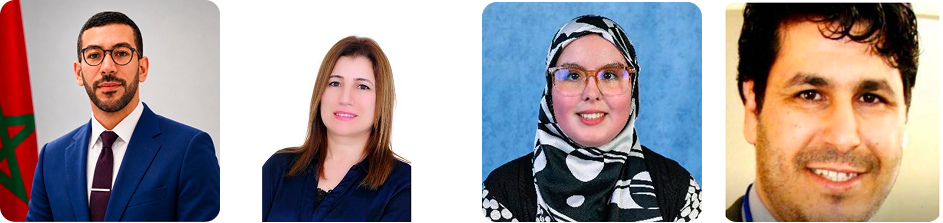
The team is led by Prof. Amine Alaoui-Belghiti and will be working alongside Prof. Abdelowahed Hajjaji, Prof. Said Laasri, Prof. Samira Touhtouh and Maha Katir to support the project’s testing, data collection and technical development activities.
Their contribution reflects the wider approach of GH SAFE to develop knowledge, test solutions and create pathways towards more sustainable energy systems.
As the project moves forward, this collaboration helps create the practical experience and evidence needed to support the continued development, testing and future replication of GH SAFE’s solution.